 FLOODMAN
Understanding Mold: A Guide for Allendale, Michigan Homeowners
Posted on December 26, 2025
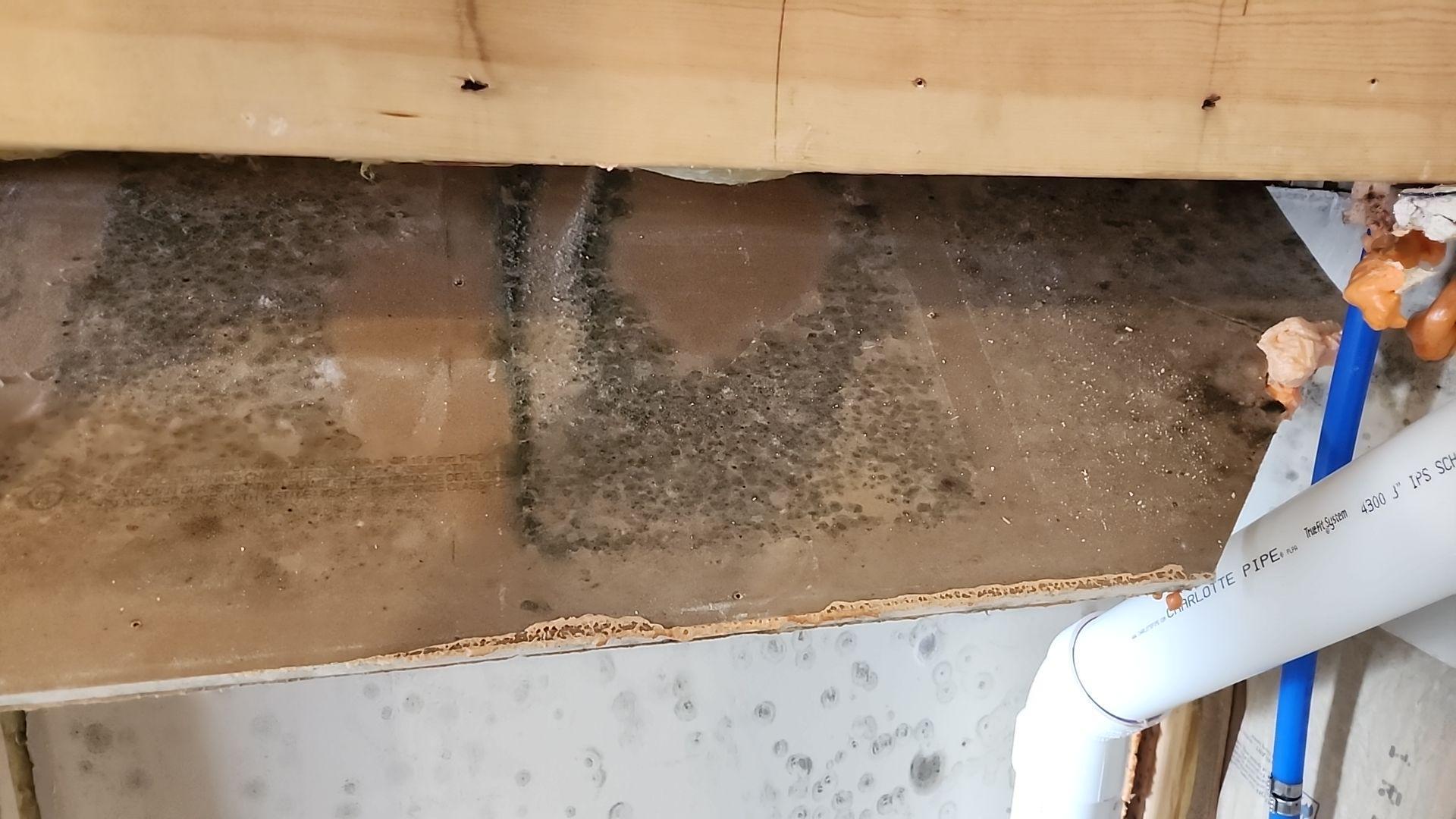
Mold is more than just a nuisance; it can be a serious threat to the health and safety of your home. For homeowners in Allendale, this can be a major concern, especially during the damp and humid months when mold growth is most prevalent. Understanding mold, its risks, and how to deal with it effectively is crucial for maintaining a safe and healthy living environment.
Why Mold Growth Is Common in Allendale
Mold thrives in environments that provide moisture, warmth, and food sources such as cellulose found in wood and drywall. In Allendale, Michigan, the climate can be quite accommodating to mold, particularly in areas like basements, attics, and bathrooms where moisture tends to accumulate. This makes regular inspection and maintenance critical for homeowners looking to protect their property.
Visible mold is often just the tip of the iceberg. It can also grow within walls, under floors, or above ceiling tiles—hidden yet causing damage and potential health issues. Allergies, respiratory problems, and even structural damage to your home can result if mold growth is unchecked.
Preventing mold involves controlling moisture levels in your home. This can be achieved through proper ventilation, using dehumidifiers, and promptly addressing leaks or water damage. However, when mold does appear, it’s essential to act quickly.
Our teams are always ready to help residents of the greater Allendale area with mold remediation. We offer our professional services in Allendale to ensure that mold is not just removed, but prevented from returning. With state-of-the-art equipment and a deep understanding of local environmental conditions, we ensure your home stays mold-free.
If you're an Allendale resident concerned about mold, don't hesitate to reach out. Protecting your home and health is just a call away.